How to Lower Blood Pressure Naturally Without Medication: 12 Science-Backed Strategies
Published: May 2026 | Reading Time: Approximately 14 minutes
Nearly half of all American adults are living with high blood pressure right now. That number, reported by the CDC’s National Center for Health Statistics, translates to roughly 119 million people walking around with a condition that silently raises their risk of heart attack, stroke, kidney disease, and cognitive decline. What makes it even more unsettling is that hypertension carries no obvious symptoms in its early and middle stages. You feel fine right up until you do not.
The conversation around blood pressure management has shifted considerably over the past several years. While medication remains the first-line treatment for clinically diagnosed hypertension, there is growing recognition among cardiologists and general practitioners that lifestyle and dietary interventions can produce meaningful results, particularly for people in the pre-hypertensive range or those with stage one hypertension. In some cases, lifestyle changes alone are enough. In others, they allow medication doses to stay lower, reducing side effects and long-term dependency.
This article covers 12 strategies that have genuine research behind them. Not fad advice. Not things that sound plausible but have no clinical evidence. Things that have actually been tested in human populations and shown to move the needle on blood pressure readings.
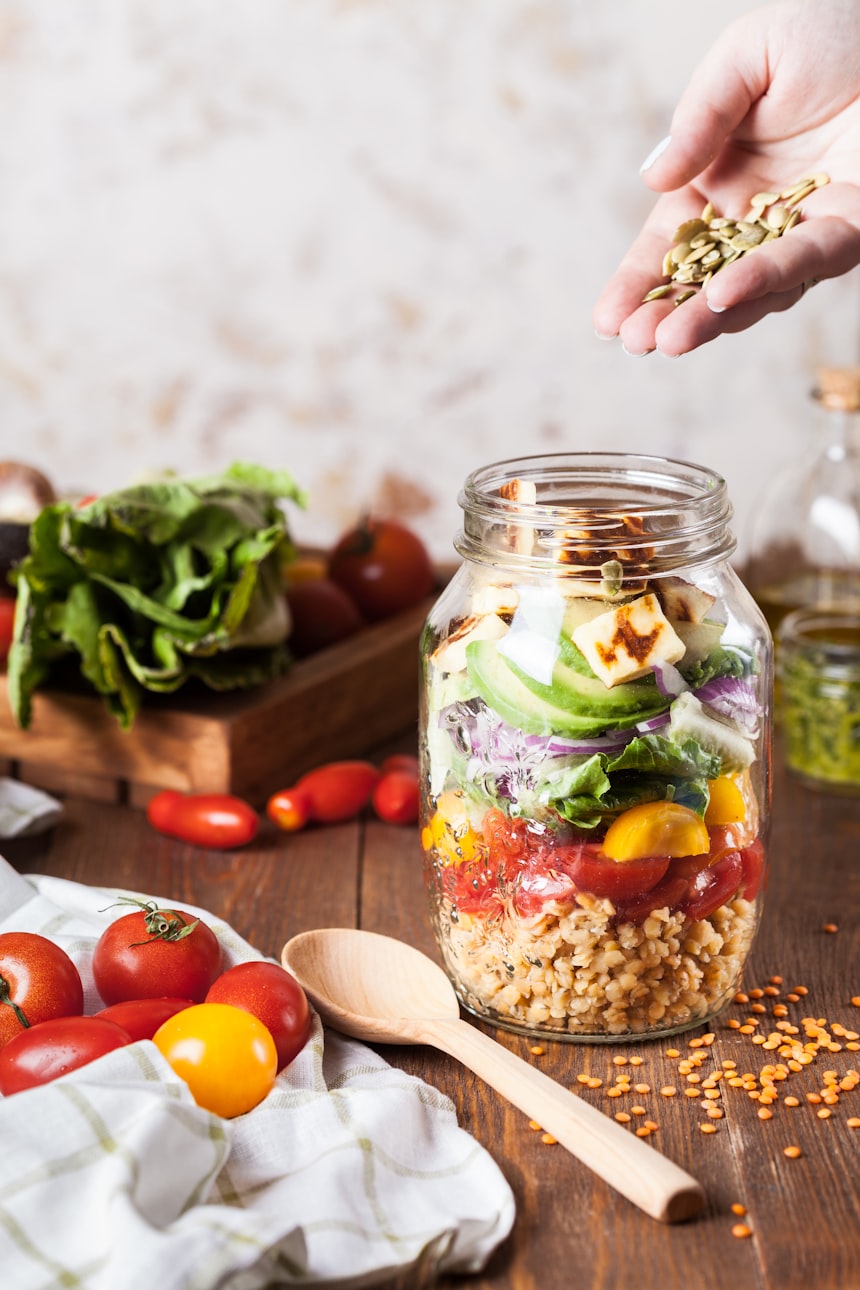
A diet rich in potassium, magnesium, and polyphenols is one of the most consistently proven tools for supporting healthy blood pressure.
1. Reduce Sodium, But Do It Strategically
Sodium’s relationship with blood pressure is real and well-established, but the nuance matters. Not everyone is equally sodium-sensitive. Research suggests that roughly 50 to 75 percent of people with hypertension are what researchers call “salt-sensitive,” meaning their blood pressure responds meaningfully to changes in sodium intake. The others are relatively salt-resistant.
For people who are salt-sensitive, the impact of sodium reduction can be significant. Johns Hopkins cardiologists recommend targeting under 1,500 milligrams of sodium per day for people with hypertension, compared to the average American’s daily intake of around 3,400 milligrams. The reduction does not need to happen overnight. Even moving from 3,400 to 2,300 milligrams produces measurable improvements for most people.
The strategic part is knowing where sodium actually comes from in your diet. Table salt you add yourself accounts for only about 11 percent of your total sodium intake. Roughly 70 percent comes from processed and restaurant foods, things like canned soups, deli meats, bread, and condiments. If you only cut the salt shaker, you are addressing the smallest part of the problem. Reading labels and cooking more meals from whole ingredients has a far larger impact than seasoning adjustments alone.
2. Increase Potassium at the Same Time
Potassium and sodium work as a seesaw in the body. When potassium intake rises, the kidneys excrete more sodium. The American Heart Association specifically recommends increasing potassium alongside sodium reduction because the combination is more effective than either change alone.
The target is approximately 4,700 milligrams of potassium per day, a level most Americans fall well short of. Good sources include sweet potatoes, avocados, white beans, leafy greens like spinach and Swiss chard, bananas, and salmon. One important note: potassium supplementation is not appropriate for people with kidney disease or those taking ACE inhibitors or ARBs without physician guidance, because the kidneys may not be able to clear excess potassium effectively.
3. Walk 30 Minutes a Day, Most Days
Exercise is one of the most powerful and least utilized blood pressure interventions available. Mayo Clinic cardiologists have noted that regular physical activity can be as beneficial as medication in some people with mild hypertension. The mechanism is straightforward: cardiovascular exercise strengthens the heart muscle so it pumps blood with less effort, which means less pressure on the artery walls.
The good news is that the threshold for meaningful benefit is not as high as most people assume. Walking for 30 minutes most days of the week is sufficient for measurable blood pressure improvements in most people. Jogging, cycling, and swimming are all effective, but consistency matters more than intensity. Three intense workouts per week that you abandon after three weeks does less good than a sustainable 30-minute daily walk that you maintain for years.
One important consideration: if you are significantly hypertensive (above 180/110), talk to your doctor before starting a new exercise program. Very high blood pressure should be brought down before adding intense cardiovascular load.
4. Manage Chronic Stress Actively
Stress raises blood pressure acutely through the release of adrenaline and cortisol, which cause the heart to beat faster and the blood vessels to constrict. This is normal and helpful in genuine emergencies. The problem is chronic, low-grade stress that keeps these stress hormones mildly elevated for days, weeks, and months at a time. Over the long term, chronically elevated cortisol damages the endothelium, the inner lining of blood vessels, and increases arterial stiffness.
Deep breathing exercises, meditation, yoga, and even regular time in nature have all been shown in clinical research to reduce cortisol and lower blood pressure readings. The WebMD review of complementary treatments notes that these approaches work best when used consistently over time rather than as occasional practices. Even ten minutes of diaphragmatic breathing performed twice daily has produced measurable blood pressure reductions in clinical settings.
5. Prioritize Sleep Quality
Poor sleep is one of the most underappreciated contributors to elevated blood pressure. During normal sleep, blood pressure drops by about 10 to 20 percent, a phenomenon called nocturnal dipping. In people who sleep poorly or have undiagnosed sleep apnea, this dipping does not occur, meaning the cardiovascular system never fully rests. Over time, this is associated with consistently higher daytime readings and significantly increased cardiovascular risk.
The targets are both quantity and quality. Seven to nine hours per night is the evidence-based recommendation for most adults. Beyond duration, sleep hygiene factors like keeping a consistent sleep schedule, keeping the bedroom cool and dark, limiting screens before bed, and avoiding alcohol close to bedtime all support the deep sleep stages where blood pressure reduction is most pronounced.
Undiagnosed sleep apnea is worth mentioning specifically, because it is common, often unrecognized, and directly raises blood pressure through repeated nighttime oxygen drops. If you snore loudly, wake feeling unrefreshed, or your partner notices you stop breathing at night, a sleep study is worth discussing with your doctor.

Consistent moderate exercise, even 30 minutes of walking daily, produces meaningful and lasting reductions in blood pressure readings.
6. Reduce Alcohol Consumption
The relationship between alcohol and blood pressure is dose-dependent. Light drinking, defined as one drink per day or fewer, appears to have a neutral to slightly beneficial effect. Moderate drinking, around two drinks per day, begins to raise blood pressure modestly. Heavy drinking, three or more drinks per day, is consistently associated with significantly elevated blood pressure and increased cardiovascular risk. A 2025 American Heart Association scientific statement on alcohol and cardiovascular disease confirms this dose-response relationship.
For people with existing hypertension, even reducing from moderate to light drinking can produce a measurable blood pressure improvement within a few weeks. Complete abstinence produces the largest reduction for heavy drinkers, but even incremental reductions matter.
7. Eat More Polyphenol-Rich Foods
Polyphenols are plant compounds found in fruits, vegetables, tea, dark chocolate, and certain herbs that support cardiovascular health through multiple pathways, including vasodilation, antioxidant protection, and anti-inflammatory activity. Research from a University of Surrey meta-analysis examining 145 randomized controlled trials confirmed that regular consumption of polyphenol-rich foods and beverages is associated with modest but consistent blood pressure reductions across diverse populations.
Practically, this means building more of the following into your regular eating pattern: berries, particularly blueberries and strawberries; dark leafy greens; tomatoes; olive oil; dark chocolate above 70 percent cacao; and hibiscus tea, which has some of the strongest published evidence of any plant beverage for blood pressure effects.
For people who want a more structured approach to this, the DASH diet, which stands for Dietary Approaches to Stop Hypertension, is the most rigorously tested dietary pattern for blood pressure management and explicitly builds on high polyphenol, high potassium food choices.
8. Add Nitrate-Rich Vegetables
Beetroot, leafy greens like arugula and spinach, and celery are among the richest dietary sources of nitrates. In the body, dietary nitrates convert to nitric oxide, a molecule that relaxes and dilates blood vessels, directly lowering blood pressure. Research published in Frontiers in Nutrition found that nitrate from beetroot juice lowered blood pressure in patients with arterial hypertension in a systematic review and meta-analysis. The effect was most pronounced in the hours following consumption but cumulative over regular daily intake.
Adding a daily serving of beetroot, whether in a salad, a smoothie, or a brewed herbal supplement, is one of the most evidence-based dietary additions a person with pre-hypertension or mild hypertension can make.
9. Consider Specific Herbal Teas
Among herbal teas, hibiscus (Hibiscus sabdariffa) has the strongest and most consistently replicated human evidence for blood pressure effects. The Tufts University clinical trial published in the Journal of Nutrition found meaningful reductions in systolic blood pressure in pre-hypertensive adults consuming three cups of hibiscus tea daily over six weeks. A separate study found an 11.2 percent reduction in systolic blood pressure after 12 days of regular consumption.
The mechanism appears to involve hibiscus acting similarly to natural ACE inhibitors, compounds that block the enzyme responsible for constricting blood vessels. This makes it one of the more specific botanical mechanisms rather than a general “it’s good for you” claim.
For people interested in a more comprehensive approach that combines hibiscus with other cardiovascular botanicals in a single daily product, Cardio Slim Tea herbal blood pressure support represents a formulated option that includes hibiscus alongside beetroot, hawthorn, TMG, and eleven other cardiovascular and metabolic herbs, all in a caffeine-free tea bag format.
10. Manage Your Weight
The relationship between body weight and blood pressure is well-established and consistent across populations. The Mayo Clinic states that weight loss is one of the most effective lifestyle interventions for blood pressure control. Even a modest loss of five to ten pounds can produce measurable reductions in both systolic and diastolic readings.
The mechanism is partly mechanical, as excess body weight requires the heart to work harder to circulate blood, and partly hormonal, as visceral fat in particular produces inflammatory compounds and hormones that directly raise blood pressure and impair vascular function. The particular focus on abdominal fat, which is the metabolically active fat around the organs rather than subcutaneous fat under the skin, is important because visceral fat is more tightly linked to cardiovascular risk than overall body weight alone.
11. Quit Smoking
Smoking raises blood pressure immediately with each cigarette through nicotine-induced vasoconstriction. Over the long term, smoking damages the endothelium, promotes arterial stiffness, and accelerates atherosclerosis, all of which contribute to sustained elevated blood pressure. The cardiovascular benefits of quitting smoking begin within hours of the last cigarette and continue accumulating for years afterward. If you smoke and have hypertension, quitting is the highest-impact single change you can make for your cardiovascular health.
12. Monitor at Home and Know Your Numbers
Home blood pressure monitoring is endorsed by both the American Heart Association and the American Medical Association for people with hypertension or pre-hypertension. Having objective data from home monitoring helps you understand how your readings change in response to lifestyle interventions, track trends over time, and communicate more meaningfully with your healthcare provider.
For home monitoring to be accurate, take readings at the same time each day, sit quietly for five minutes before measuring, use a validated cuff monitor sized correctly for your arm, and take two readings two minutes apart and average them. Single readings taken immediately after activity, stress, or caffeine are not reliable trend indicators.
Consistent stress management practices like meditation and deep breathing have been shown in clinical settings to reduce both cortisol levels and blood pressure readings.
Putting It Together: A Realistic Action Plan
The most important thing about these 12 strategies is that they are not an all-or-nothing list. You do not need to implement all twelve simultaneously. Research on lifestyle change consistently shows that adding one meaningful change at a time, sustaining it until it becomes habitual, and then adding the next one produces better long-term outcomes than attempting a complete overnight overhaul that collapses within weeks.
A reasonable starting sequence for most people might be: reduce sodium first because it requires mostly awareness rather than new behavior, add daily walking second because the benefits begin quickly and the habit builds momentum, and then work through the dietary and stress management changes gradually over the following months.
If you are currently on blood pressure medication, none of these strategies are a reason to stop taking your prescription. They are complementary approaches that may allow your medication to work more effectively and potentially allow your doctor to reduce your dosage over time if your readings consistently improve. Always communicate openly with your prescribing physician about any supplements or significant dietary changes you are making.
This article is for informational purposes only and does not constitute medical advice. Always consult a qualified healthcare professional before making changes to your diet, exercise routine, or supplement regimen, particularly if you have a diagnosed health condition or take prescription medications.