
The Homocysteine Connection: Why This Overlooked Amino Acid May Be Behind Your High Blood Pressure and Stubborn Weight
Published: May 2026 | Reading Time: Approximately 15 minutes
Most people who see their doctor for high blood pressure go home with the same conversation. Watch your salt. Exercise more. Maybe take this medication. Lose some weight. It is not bad advice. But for a significant subset of people, there is something more specific happening underneath the general risk factors, something that their doctor may not have measured and that they almost certainly have never heard of.
That something is homocysteine.
Homocysteine is an amino acid produced naturally in the body as a byproduct of processing methionine, a protein found in meat, eggs, and dairy. Under normal circumstances, homocysteine is converted quickly into other compounds and its blood levels stay low. When something disrupts this conversion process, homocysteine accumulates in the bloodstream, and at elevated levels it becomes one of the more damaging compounds the cardiovascular system encounters.
Understanding what homocysteine is, why it rises, what it does to blood pressure and body composition, and how it can be addressed through specific dietary and botanical interventions is the kind of practical knowledge that most health content never bothers to provide. This article does.

Elevated homocysteine is a modifiable cardiovascular risk factor that many routine blood pressure workups do not measure, despite strong evidence linking it to arterial damage and hypertension.
What Homocysteine Does in the Body
At normal levels, homocysteine is simply an intermediate metabolite, a compound the body creates during a metabolic process and then converts into something else quickly enough that it never builds up. The conversion happens through two main pathways, both of which require B vitamins, specifically folate, B6, and B12, as cofactors. When these vitamins are insufficient, or when genetic variations interfere with the enzymes involved, conversion slows down and homocysteine accumulates.
At elevated levels, the effects on the cardiovascular system are well-documented. Homocysteine damages the endothelium, the thin inner lining of blood vessels that controls how vessels dilate and constrict. A 2025 umbrella review confirmed robust associations between homocysteine and multiple cardiovascular outcomes, integrating data from both observational and genetic studies. Research published in the American Heart Association’s journal Hypertension found that every one standard deviation increase in homocysteine was associated with an 18 percent higher risk of developing hypertension in the Framingham Heart Study population.
The Cleveland Clinic describes elevated homocysteine as harmful to artery wall lining, with the potential to cause blockages in blood vessels that lead to heart attack and stroke. It is not a fringe biomarker. It is a well-established cardiovascular risk factor that simply does not get the same mainstream attention as cholesterol or blood pressure because there is no widely profitable medication designed specifically to lower it.
The Blood Pressure Mechanism
The specific pathway by which homocysteine raises blood pressure involves two interconnected effects on the vascular system.
First, elevated homocysteine reduces nitric oxide synthesis and bioavailability. Nitric oxide is the molecule responsible for telling blood vessels to relax and dilate. Without adequate nitric oxide signaling, vessels remain in a more constricted state, which raises systemic blood pressure. Research published in multiple cardiovascular journals confirms that hyperhomocysteinemia, which is the clinical term for elevated plasma homocysteine, produces arterial stiffness through precisely this mechanism of oxidative endothelial stress and reduced nitric oxide synthesis.
Second, homocysteine directly oxidizes LDL cholesterol and promotes inflammation in the arterial walls, accelerating the process by which plaques form and harden. This arterial stiffening is a primary mechanical contributor to elevated systolic blood pressure, particularly the isolated systolic hypertension that becomes more common in people over 50. Research from Stanford specifically found that high homocysteine levels are independently related to isolated systolic hypertension in older adults.
What this means practically is that a person with elevated homocysteine may be doing everything conventionally recommended for blood pressure management and still seeing limited improvement, because the underlying vascular damage driving their hypertension is not being addressed by sodium reduction or blood pressure medication alone.
The Weight and Fat Storage Connection
The link between homocysteine and body weight is less widely known than its cardiovascular effects, but it is well-established in the research literature. The mechanism involves homocysteine’s role in disrupting insulin signaling and promoting inflammatory fat storage.
Elevated homocysteine is associated with higher rates of insulin resistance. Insulin resistance, as discussed in the belly fat article on this site, creates a metabolic environment where the body is in fat-storage mode more of the time, particularly around the visceral fat deposits in the abdomen. The inflammatory cytokines released by visceral fat in turn promote further homocysteine elevation, creating a feedback cycle where each condition worsens the other.
Research published in the journal PLOS ONE in August 2025 confirmed that elevated homocysteine is associated with small but consistent increases in both systolic and diastolic blood pressure proportional to the degree of homocysteine elevation, and that this relationship holds even after controlling for other cardiovascular risk factors. The same research also confirmed that elevated homocysteine was associated with higher all-cause mortality in hypertensive patients.
For people who are struggling with both high blood pressure and stubborn abdominal weight that does not respond to conventional approaches, elevated homocysteine is worth specifically investigating as a potential underlying driver.
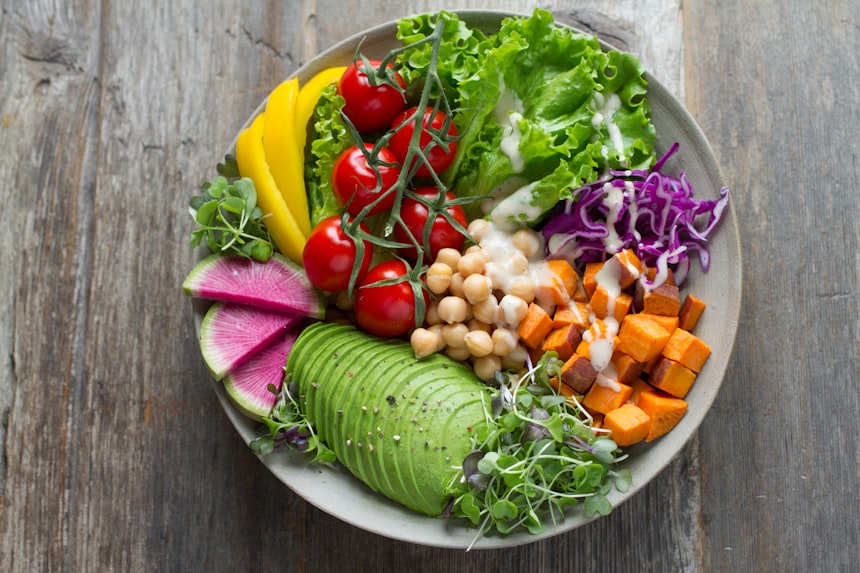
Foods rich in folate, B vitamins, and nitrates like beetroot, spinach, and asparagus directly support the metabolic pathways that clear homocysteine from the bloodstream.
What Causes Homocysteine to Rise
Understanding why homocysteine accumulates helps identify who is most likely to have this as an issue.
The most common causes include:
- B vitamin deficiency: Folate, B6, and B12 are all essential cofactors for the enzymes that convert homocysteine. Inadequate dietary intake of these vitamins, or impaired absorption due to age or gut issues, allows homocysteine to build up. This is particularly common in older adults, people who eat few leafy greens, and those on medications like metformin or proton pump inhibitors that reduce B12 absorption.
- MTHFR gene variants: The MTHFR gene encodes an enzyme critical to the folate pathway that processes homocysteine. Certain common variants of this gene, particularly the C677T variant, reduce enzyme efficiency by 30 to 70 percent. These variants are extremely common, affecting an estimated 40 to 60 percent of the general population to some degree. People with these variants process homocysteine less efficiently and are more likely to accumulate it even with adequate B vitamin intake.
- Kidney disease: The kidneys play a role in clearing homocysteine, so impaired kidney function is associated with elevated levels.
- Hypothyroidism: Underactive thyroid function is associated with elevated homocysteine in multiple studies.
- Smoking: Smoking increases oxidative stress and disrupts the homocysteine conversion pathway.
- High animal protein intake without adequate B vitamins: Methionine, the precursor to homocysteine, comes primarily from meat and dairy. A high-protein diet without adequate B vitamins to process the resulting homocysteine load can contribute to elevation.
How to Test Your Homocysteine
Homocysteine is measured through a simple blood test. It is not part of a standard lipid panel or basic metabolic panel, so you need to specifically request it from your doctor. Normal levels are generally considered to be below 15 micromoles per liter, with optimal levels closer to below 10. Mildly elevated homocysteine is defined as 15 to 30 micromoles per liter, moderate elevation as 30 to 100, and severe elevation above 100.
If you have unexplained high blood pressure that has not responded well to conventional interventions, a family history of early cardiovascular disease, or stubborn weight particularly around the abdomen that persists despite reasonable lifestyle efforts, asking your doctor to run a homocysteine test as part of your cardiovascular workup is a reasonable and relatively low-cost step.
Natural Approaches to Lowering Elevated Homocysteine
The good news is that homocysteine is one of the more modifiable cardiovascular risk factors. Unlike genetics or age, it responds significantly to specific dietary and supplemental interventions.
B Vitamins: The Foundation
The most direct approach to lowering homocysteine is ensuring adequate intake of folate, B6, and B12. Folate comes primarily from leafy greens, legumes, and fortified grains. B6 is found in poultry, fish, potatoes, and bananas. B12 comes almost exclusively from animal products, making deficiency particularly common in vegetarians and vegans.
For people with MTHFR gene variants, the standard synthetic folic acid found in most supplements is poorly processed and may not be effective. The active, methylated form of folate, called methylfolate or 5-methyltetrahydrofolate, bypasses the impaired enzyme and directly supports the homocysteine clearance pathway. Similarly, methylcobalamin (methylated B12) is better absorbed and processed than cyanocobalamin in people with MTHFR variants.
Betaine (TMG): The Methyl Donor Approach
Beyond B vitamins, betaine, also known as trimethylglycine or TMG, provides an alternative homocysteine clearance pathway. Betaine donates methyl groups that directly convert homocysteine into methionine through the BHMT enzyme, an alternative route that does not require the folate cycle. This makes betaine particularly valuable for people with MTHFR variants, as it supports clearance through a completely different pathway than the B vitamin-dependent route.
Betaine is found naturally in beetroot, spinach, and quinoa. Concentrated TMG supplements provide a more direct therapeutic dose. The combination of dietary betaine from beetroot and concentrated supplemental TMG is specifically how the Cardio Slim Tea formula approaches homocysteine support, providing both a whole-food source and a concentrated supplemental dose to address this pathway comprehensively. For people interested in supporting both blood pressure and weight management through the homocysteine mechanism, Cardio Slim Tea’s targeted heart and weight formula directly addresses this pathway in a convenient daily beverage.
Dietary Nitrates: Supporting the Nitric Oxide Pathway
Since elevated homocysteine lowers nitric oxide availability, increasing dietary nitrates directly supports the nitric oxide pathway that homocysteine disrupts. Beetroot is the richest dietary source of nitrates, with research published in Frontiers in Nutrition confirming that nitrate from beetroot juice lowers blood pressure in patients with arterial hypertension. Leafy greens including arugula, spinach, and Swiss chard are also excellent nitrate sources.
The combination of betaine from beetroot supporting homocysteine clearance and nitrates from beetroot restoring nitric oxide signaling makes beetroot uniquely well-suited as a dual-mechanism ingredient for this specific cardiovascular pathway, which is why it appears in well-designed cardiovascular supplement formulas.
Reduce Methionine Load Temporarily
If homocysteine is significantly elevated, moderating consumption of very high methionine foods like red meat and processed meats for a period while the clearance pathways are being supported can reduce the immediate substrate load. This does not mean eliminating protein; it means temporarily shifting protein sources toward plant-based options like legumes and toward fish, which provides omega-3 fatty acids that additionally support cardiovascular health, while the body’s capacity to process methionine is being restored.

Foods rich in B vitamins, particularly folate, B6, and B12, are the dietary foundation for supporting the body’s natural homocysteine clearance pathways.
The Bigger Picture: Homocysteine as a Unifying Factor
One of the most useful framings for anyone trying to understand why high blood pressure and stubborn weight so often occur together is the concept of homocysteine as a common upstream driver of both. When homocysteine impairs vascular function, blood pressure rises. When it promotes insulin resistance and inflammatory signaling, visceral fat accumulation accelerates. When it damages the energy metabolism pathways in cells, fatigue sets in and the motivation and capacity for physical activity decreases.
This is not to suggest that homocysteine is the only factor in either condition, or that normalizing it will magically resolve both. But for people who have been trying to address high blood pressure and belly fat through conventional approaches without seeing the results they expected, looking upstream at whether homocysteine is an unaddressed driver is a worthwhile and relatively simple investigation.
A homocysteine blood test costs very little. The dietary changes to address it, focusing on more B-rich leafy greens and beetroot, are healthy by any measure regardless of homocysteine status. And the botanical compounds most specifically targeted at this pathway, betaine and TMG from whole food and supplemental sources, have strong safety profiles and meaningful evidence behind them.
This article is for informational purposes only and does not constitute medical advice. Always consult a qualified healthcare professional about testing homocysteine levels and before making changes to your diet or supplement regimen, particularly if you have a diagnosed health condition or take prescription medications.